


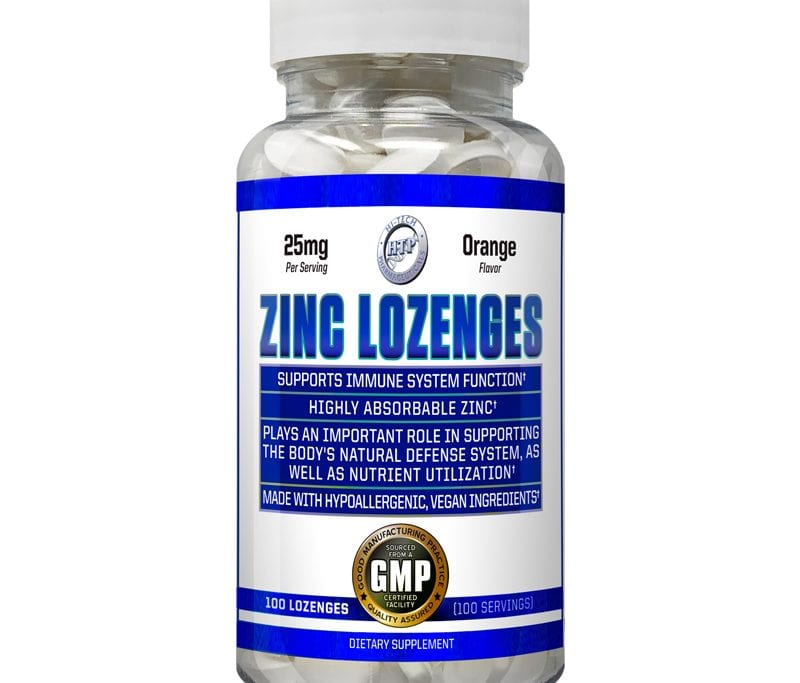
What Is Zinc
It’s an essential mineral required by every cell in the body. Zinc is concentrated in the muscles, bones, skin, kidneys, liver, pancreas, and eyes. In men, it’s in the prostate. It is plentiful in drinking water and some foods, including meat. Your body does not produce it. That means it must come from external sources.
What Does Zinc Do
It plays a critical role in hundreds of body processes. These include cell growth to sexual maturation and immunity, even for taste and smell. Do you take a daily multivitamin and mineral supplement? Make certain it contains zinc. Individual supplements are also available for specific complaints.
Common Functions Of Zinc
- Fights colds, flu, other infections.
- Treats a wide range of chronic ailments. These include rheumatoid arthritis and underactive thyroid to fibromyalgia and osteoporosis.
- Supports testosterone production
- Also supports protein metabolism
- Heals skin ailments and aids digestive complaints.
- May boost fertility, build healthy hair, and diminish ringing in the ears.
Major Benefits
It’s necessary for the proper functioning of the immune system. Also, it helps protect the body against colds and flu. Plus conjunctivitis, and other infections. A study was conducted on 100 people in the initial stages of a cold. Test subjects sucked on zinc lozenges every couple of hours. They recovered from their illness about three days earlier than those who sucked on placebo lozenges. Zinc lozenges may also speed the healing of canker sores and sore throat. Taken in pill form, it may aid in treating more serious illnesses. These include rheumatoid arthritis, lupus, fibromyalgia, and possibly multiple sclerosis. As well as other conditions, such as AIDS. This is associated with an improperly functioning immune system.
Additional Benefits Of Zinc
Zinc exerts beneficial effects on various hormones, including the sex and thyroid hormones. It shows promise for enhancing fertility in both women and men. It may also shrink an enlarged prostate. In addition, it may be effective for those with an underactive thyroid. Also, because it improves insulin levels, it may help people with diabetes.
Because zinc affects so many body systems, it has many other uses. It stimulates the healing of wounds and skin irritations. That makes it useful for acne, burns, eczema, psoriasis, and rosacea. Also, it promotes the health of the hair and scalp. Zinc has also been shown to slow vision loss in people with macular degeneration, a common cause of blindness in those over age 50. In a recent Japanese study, tinnitus (ringing in the ears) improved with zinc supplementation. It may also be useful for osteoporosis, hemorrhoids, inflammatory bowel disease, and ulcers.
How Much Zinc Do You Need
The RDA for zinc is 12 mg for women and 15 mg for men daily. Higher doses are usually reserved for specific complaints.
If You Get Too Little:
Severe deficiency is rare in the United States. A mild deficiency can lead to poor wound healing, more colds, and flu. Also, a muted sense of taste and smell. Plus skin problems such as acne, eczema, and psoriasis. It can result in impaired blood sugar tolerance and increased diabetes risk. Finally, it can lead to low sperm count.
If You Get Too Much:
Long-term use of more than 100 mg a day has been shown to impair immunity. It also lowers the level of HDL (“GOOD”) cholesterol. One study reported a connection between excess zinc and Alzheimer’s, though the evidence is scant. Larger doses (more than 200 mg a day) can cause nausea, vomiting, and diarrhea.
How To Take It
Dosage:
The usual dosage is 30 mg once a day. Taking it longer than a month may interfere with copper absorption. Add 2 mg of copper for every 30 mg of zinc. For shout-term use (cold or flu), use zinc lozenges every two to four hours for a week. Don’t exceed 150mg a day.
Guidelines For Use:
Take it an hour before or two hours after a meal. If it causes stomach upset, have it with low-fiber food. If you also use iron supplements, do not take them at the same time. Take zinc at least two hours after taking antibiotics.
Other Sources Of Zinc
When looking for foods rich in zinc, think protein. It’s abundant in beef, pork, liver, poultry (especially dark meat), eggs, and seafood (especially oysters). Cheese, beans, nuts, and wheat germ are other good sources. However, the zinc in these foods is less easily absorbed than it is in meat.
Latest Findings
- Zinc may be especially beneficial for older people who are often deficient in this mineral. According to a recent study of 118 elderly but relatively healthy nursing home residents in Rome, Italy. Those given 25 mg of zinc daily for three months showed improved immune systems. Experts think zinc may revitalize the thymus gland. This is a gland that manufactures immune cells.
- Studies show that exercisers lose zinc in perspiration and urine. That may be one reason why. While moderate exercise boosts immunity, long bouts of intense exercise are linked with lowered immunity.
Caution!
Don’t take too much zinc. More than 100 mg daily can, over the long term, impair immunity. It can also interfere with copper absorption, leading to anemia.