


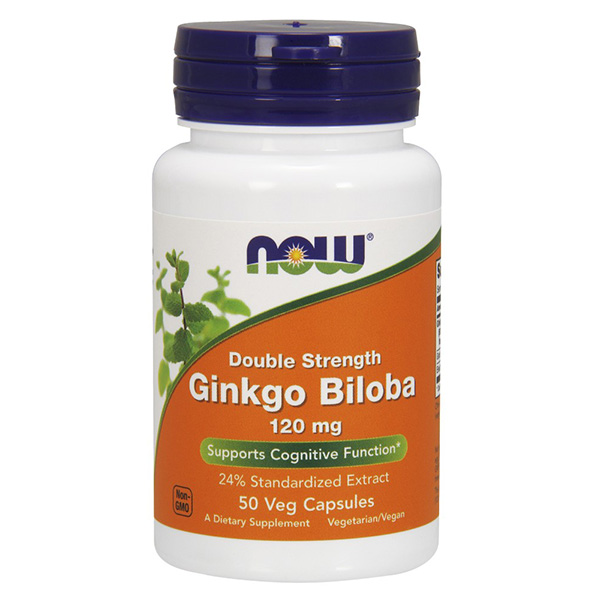
Ginkgo Biloba is the world’s oldest living species of tree. Individual trees live as long as 1,000 years. Originating from the Orient, Chinese medicine used this extract for various ailments and illnesses. Its powerful healing effect earned the extract a good reputation across during the 1600 and 1700’s. Eventually, Ginkgo Biloba found its way into Europe where it was used for various illnesses.
Uses Of Ginkgo Biloba
Originally, the Chinese used it to relieve asthma, bronchitis, and pulmonary congestion. Also, it’s a stimulant for the libido. In addition, it regulates blood flow throughout the circulatory system. Finally it promotes overall health and well-being.
How Does Ginkgo Biloba Work?
The extract of ginkgo biloba leaves dilate blood vessels. Also, it has an ability to increase peripheral blood circulation, especially to the brain. Ginkgo biloba prevents many conditions throughout the entire body. Currently it is a prescribed drug in Germany and France.
It’s An Antioxidant
The main use of ginkgo is to improve cognitive function in treating Alzheimer’s disease. It also acts as a powerful antioxidant. Additionally, it contributes to the oxidation of free radicals. These are believed to contribute to premature aging. Antioxidants also protect the eyes, cardiovascular system, and central nervous system. Finally, it may help control the transformation of cholesterol to plaque. This is associated with the hardening of arteries.
Ginkgo Biloba’s beneficial effect on the circulatory system can help sexual dysfunction. There was an open clinical trial involving 60 patients having erectile dysfunction. One half of the patients regained potency after six months of treatment with Ginkgo Biloba.
Gingko And Long Term Studies
In long-term studies, Ginkgo produced no side effects. There was no decrease in its effect over time. However, it can cause mild gastrointestinal complaints, headaches, palpitations, and allergic skin reactions. These effects are rare. Like nature, Ginkgo is slow acting. It takes four to eight weeks before you notice benefits. Therefore, improvements are gradual. However, they continue for up to a year or more.
What Are The Benefits Of Ginkgo Biloba?
For the past three decades, this compound has shown positive results across the board. During these studies and tests, this extract continues to win over medical professionals. These are doctors with patients that have brain injuries and memory loss.
Here Are Other Benefits:
- Enhances Memory
- Improved Circulation And Distribution – Increases oxygen and nutrient delivery throughout the circulatory system.
- Helps Increase Metabolism – It regulates synapses and transmitters throughout the body by boosting the distribution of oxygen.
- Reduces Plaque That Builds Up Around Artery Walls
- Enhances Male Infertility
How Much Is Usually Taken?
Most clinical trials have used between 120 and 240 mg per day. This is standardized to 6% terpene lactones and 24% flavone glycosides. Divide it equally into two or three dosages. People use the 240 mg dose for mild-to-moderate Alzheimer’s disease. Finally, they also use it for age-related cognitive decline, intermittent claudication, and resistant depression.
Take ginkgo biloba extracts for 8-12 weeks to see cognitive improvement. You can find it here: NOW Ginkgo Biloba 120 mg – I’ll Pump You Up (illpumpyouup.com)
Add it to your program today!