


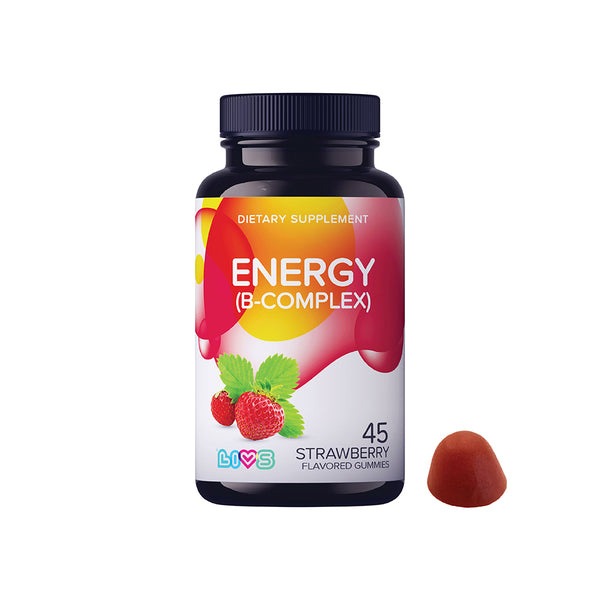
What Is Folic Acid
Folic acid is a water-soluble B vitamin. Also called folacin or folate, was first identified in the 1940s when it was extracted from spinach. Because the body can’t store it very long, you need to replenish your supply daily. Cooking, or even long storage, can destroy up to half the content found in foods. Therefore, supplements may be the best way to get enough of this vital nutrient.
What Does It Do
In the body, it is utilized thousands of times a day. It’s used to make blood cells, heal wounds, and build muscle. In fact, it’s necessary for every function that requires cell division. Folic acid is critical to DNA and RNA formation and assures that cells duplicate normally. It is especially important in fetal development and helps produce key chemicals for the brain and nervous system.
Common Uses Of Folic Acid
- Protects against birth defects.
- Reduces heart disease and stroke risk.
- Lowers risk for several cancers.
Prevention
Adequate folic acid at conception and for the first three months of pregnancy greatly reduces the risk of serious birth defects, including spina bifida. This B vitamin also appears to regulate the body’s production and use of homocysteine. This is an amino acid-like substance that at high levels may damage the lining of blood vessels, making them more susceptible to plaque buildup. This makes it an important weapon against heart disease. In addition, it may be useful in warding off certain cancers, including those of the lungs, cervix, colon, and rectum.
Additional Benefits
Folic acid may help depression. High levels of homocysteine may contribute to this condition. Therefore, some experts think folic acid (which is often deficient in people who are depressed) may be of value because it reduces homocysteine levels. Studies also show that taking it improves the effectiveness of antidepressants in people with low levels of this B vitamin. These supplements have been useful in treating gout and irritable bowel syndrome as well. Because high homocysteine levels may be a factor in osteoporosis, folic acid may even help keep bones strong.
How Much Folic Acid Do You Need
The current adult RDA is 400 mcg a day. Supplements are important for older people, who may not get enough of this vitamin in food.
If You Get Too Little:
Though relatively rare, a severe folic acid deficiency can cause a form of anemia (megaloblastic anemia), a sore red tongue, chronic diarrhea, and poor growth (in children). Alcoholics and people who are on certain medications (for cancer or epilepsy) or who have malabsorption diseases (Crohn’s, celiac sprue) are susceptible to severe deficiency. Much more common is a low level of folic acid, which causes no symptoms but raises the risk of heart disease or birth defects.
If You Get Too Much:
Very large doses (5,000 to 10,000 mcg) offer no benefit and may be dangerous for people with hormone-related cancers, such as those of the breast or prostate. High doses may also cause seizures in those with epilepsy. The National Academy of Science suggests an upper daily limit for folic acid of 1,000 mcg for adults.
How To Take Folic Acid
Dosage:
For overall good health and the prevention of heart disease: Take a dose of 400 to 800 mcg a day. For women who might become pregnant: Take a total of 800 mcg a day. (Adequate folic acid stores are important because the vitamin plays a role in a baby’s development from conception.) For people with depression: Take 400 mcg a day, as part of vitamin B-complex supplement.
Guidelines For Use:
It can be taken at any time of the day, with or without food. When taking supplements for any reason, combine it with an additional 1,000 mcg of vitamin B12 to prevent a B12 deficiency.
Other Sources
Excellent food sources include green vegetables, beans, whole grains, and orange juice.
Latest Folic Acid Findings
- For prevention of disease, the best way to get enough may be through supplements. In a small study, people taking 400 mcg a day in pills or in specially fortified foods increased their folic acid level. But those who just ate foods naturally rich in folic acid showed no increase. Scientists speculate that what’s found naturally in foods may not be absorbed well enough to have a therapeutic effect.
- A preliminary study from Oxford University hints that folic acid may play a role in preventing Alzheimer’s disease. People with the disease tended to have lower blood levels of this B vitamin and vitamin B12 than healthy people of the same age.
Caution!
Folic acid supplements, even at normal doses, may mask a type of anemia caused by a vitamin B12 deficiency. Unchecked, this anemia can cause irreversible nerve damage and dementia. If you take these supplements, be sure to take extra vitamin B12 as well.
You can also use a complete B-Complex vitamin. As a complex, the B’s are important for controlling stress and anxiety.