


Let’s talk about essential trace minerals!
First, let’s say you woke up feeling great. You hit the gym early. Today was the day for your most brutal training session ever. But something went wrong.
You added 10 pounds on your bench. Yet you failed at the sticking point. Getting through those extra reps was extra hard. After your shower, your muscles still ached. Instead of feeling exhilarated, you felt tired and discouraged that you didn’t meet your goals.
Essential Trace Minerals – They Affect Your Workouts!
It could have been just an off day. Or it could be something else. Maybe something’s missing from your training diet. Trace elements are the “micronutrients” your body requires in very small doses. They help your heart to beat, your muscles to grow. Without them, your body won’t function properly. And it’s easy to miss out on one or more vital trace elements. Even if you’re careful to eat a “balanced” diet.
The importance of the minerals calcium, potassium and iron is clear. It’s only recently that researchers have brought to our attention the long-term effects of calcium deficiency. Especially in women (osteoporosis). A deficiency of iron takes less time to show itself (anemia). Potassium deficiencies show up suddenly and dramatically. Also, selenium is an important trace mineral.
Is A Lack Of Micronutrients Affecting Your Health?
Preliminary studies show that it may protect both animals and humans against some forms of cancer. Scientists are discovering that premature aging, baldness, diabetes, and weakened bone mass may be attributable to a deficiency of “micronutrients”. They play a subtle part in the body’s metabolism.
Essential Trace Minerals As A Supplement
The earth’s crust is constantly being depleted of these essential minerals. This happens by natural and man-made forces. Processed foods lack essential trace minerals. Also, sources such as iodized salt (iodine), foods like red meat, and eggs (rich in chromium and zinc) are disappearing from our diets. So how can we be sure of getting what we need? Are we getting the right balance for optimum health?
The quickest way is to take a multivitamin and mineral supplement. Here’s a list of some of the trace elements and major minerals that should be in your multivitamin/mineral. There’s also a discussion of why they’re important to you.
Essential Trace Minerals – CALCIUM
Mostcalciumin the human body is found in the bones and teeth. We now know that our need for calcium extends far beyond our formative years. Twenty percent of an adult’s bone calcium (2-3 pounds) is reabsorbed and replaced every year. Calcium participates in all muscle contractions, is vital to the functioning of nerve cells and enzyme activity and is responsible for transmission of impulses from nerves to muscles. Take calcium in a two-to-one ratio with magnesium. Taking in more magnesium than calcium leads to anesthesia, e.g., magnesium concentration is high in hibernating animals.
MAGNESIUM
This essential mineral regulates body heat. It also regulates the contraction of muscles and the synthesis of body protein. First, it is necessary for calcium and Vitamin C metabolism. Second, it’s required for phosphorus, sodium and potassium metabolism. Next, it is important for converting blood sugar into energy. Finally, if you live in a hard water area, you’re getting more magnesium than calcium in your water.
SELENIUM
Until 1956 selenium was listed only as a poison in textbooks. Therefore, it came as a surprise when the late Klaus Schwartz discovered it was an essential nutrient. In further experiments he discovered that sub toxic amounts in the drinking water or diet of breast-cancer prone mice caused a dramatic reduction of tumors.
Certain areas of the US has soil that is low in selenium. In these areas, more women die of breast cancer. Selenium protects against heart disease. It also protects against muscular dystrophy, premature aging and immune incompetence.
There is evidence to indicate a relationship between the need for selenium and Vitamin E. Lack of either causes muscular dystrophy in many animals. Men appear to have a greater need for selenium. That’s because almost half their body’s supply concentrates in the testicles. Also in portions of the seminal ducts adjacent to the prostate gland. This element is also lost in the semen.
Scientists believe that Vitamin E acts as an antioxidant for selenium. This element has a wide window of use in that dietary intakes of selenium vary widely throughout the world (28-325 micrograms per day). At that level, there’s no indication of toxicity or deficiency. However, diets containing less than 30 micrograms per day are associated with cardiac degeneration. That’s among children living in certain parts of China.
Essential Trace Minerals Cont. – IRON
This is one of the most abundant elements in the earth’s crust. Seventy percent of the 3-5 grams of iron present in the human body is located in the red blood cells. That’s in hemoglobin (an oxygen carrier in red blood cells). Also in myoglobin (a stored form of oxygen in muscles). In addition, it’s in transferrin (a principal carrier of iron in blood). Finally, in ferritin (mainly a storage form of iron).
The body conserves iron.The 9 billion red blood cells broken down daily yield 20-25 mg of iron. In addition, there are many excellent food sources for iron. These include liver (especially pork), egg yolks and beef. However, these foods are high in cholesterol. Therefore, eat them sparingly.
Some nutritional studies have found that vegetarians have no more iron-deficiency anemia than meat eaters. One possible explanation for this is thatVitamin Cenhances absorption of iron in foods. Also, vegetarians often consume more Vitamin C than meat eaters. In addition to Vitamin C, copper, cobalt (found in Vitamin B12), and manganese are necessary to assimilate iron. Iron is necessary for proper metabolism of B vitamins.
CHROMIUM
In 1959 it was established that animals deficient in chromium grow poorly and have a reduced lifespan. These animals also showed a low glucose tolerance, a response similar to a diabetic’s insulin deficiency. The American diet contains small quantities of chromium. It is poorly absorbed. This may reflect our taste for refined foods. Food processing and refining remove up to 80% of chromium from some foods. Unrefined cereals, grains, fats and sugar are good chromium sources. Chromium deficiency is a suspected factor in arteriosclerosis and diabetes, especially among the elderly, who retain the lowest amount of chromium. In fact, once past adolescence, our bodies retain less and less chromium as we age. A high carbohydrate intake may predispose an athlete to a deficiency due to urinary excretion of chromium after carbo-loading. Supplements, including chelated zinc, seem to substitute well for deficient chromium.
MANGANESE
This is very important in the regulation of enzymes that are active in the mitochondria. This is the ‘powerhouse” of the cell, where ATP is produced. Deficiencies can result in ovarian and testicular degeneration, shortening and bowing of legs and other skeletal abnormalities. Also, manganese is necessary to form thyroxin, the principal hormone of the thyroid gland. Having the correct balance in your system helps eliminate fatigue, improve memory, reduce nervous irritability and aid in muscle reflexes. Toxicity is rare, except from industrial sources. Finally, large intakes of calcium and phosphorus will inhibit manganese absorption.
ZINC
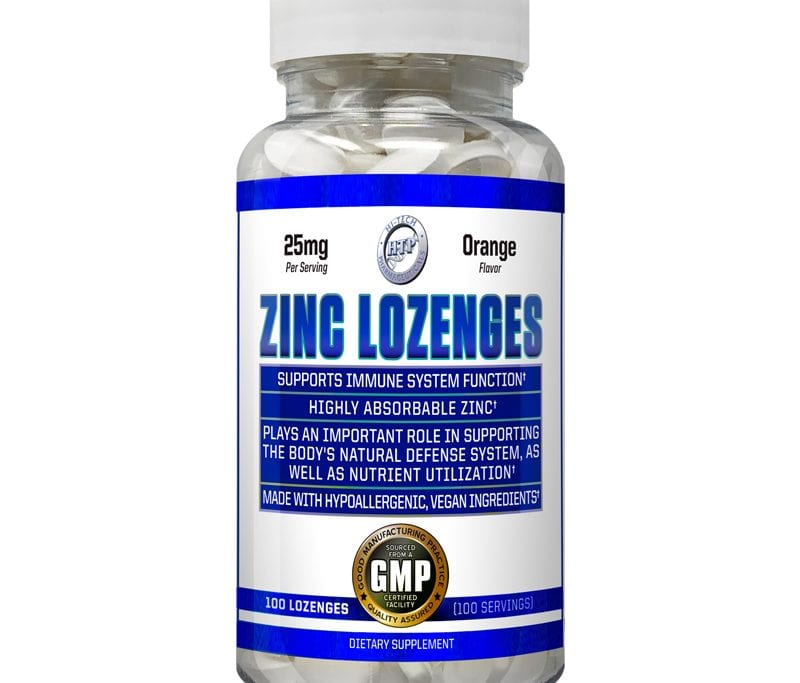
Excessive sweating can cause a loss of as much as 3 mg of zinc per day. Most foods either lose zinc during processing, or never contain sufficient amounts due to nutrient-poor soil. Also, health conscious people who have reduced their intake of animal products may not be getting enough zinc in vegetable and plant foods, which are lesser sources than animal foods. Zinc governs a wide variety of body functions. Many enzymes that prevent buildup of lactic acid (the ‘fatigue acids’) in muscles require zinc for their action. It helps in the formation of insulin. It exerts a normalizing effect on the prostate, and is important in the development of all reproductive organs. Additionally, zinc is important for brain function. It is required for the synthesis of DNA. If your protein and phosphorus intakes are high, you need more zinc.
Essential Trace Minerals Cont. – COPPER
A strict vegetarian is more likely to be deficient in this mineral than someone who eats meat and shellfish. The adult human body contains about 75 mg and has an approximate daily turnover of 2%. It is essential for the utilization of Vitamin C and for the amino acid tyrosine, the pigmenting factor for hair and skin. Like some other essential trace elements, it is present as an environmental pollutant in cigarettes, birth-control pills and automobile emissions. Other environmental pollutants, such as cadmium, decrease copper absorption. Toxicity is rare. Still, an excess may cause lower zinc levels, insomnia, hair loss, irregular menses and depression. Severe deficiency can disrupt the building of connective tissue, cause weakened bones and even rupture the heart.
POTASSIUM
Potassium works with sodium to regulate the body’s water balance and normalize heart rhythms. Many people suffer a chronic deficiency of potassium. This is due to food processing. It’s also due to boiling of vegetables. You lose potassium when you sweat. Therefore active people should be particularly aware of signs indicating a potassium deficiency. One sign is frequent muscle cramping. People whose sodium-potassium balance is off will suffer nerve and muscle dysfunction. They may possibly suffer irregular heartbeats. People who consume large amounts of coffee, alcohol and sugar are likely to have low potassium levels. Also, if blood sugar is low there is not only a loss of potassium, but water retention as well.
IODINE
Two-thirds of the body’s iodine is found in the thyroid gland. In ancient Greece, iodine-rich seaweed was used in the cure of goiter. That’s a malfunction of the thyroid gland caused by iodine deficiency. During Napoleon’s reign, iodine was discovered by mistake. It happened while chemists produced saltpeter from sea kelp to make gunpowder for blockaded France in her battle with Britain. Besides goiter, a deficiency of iodine can produce slow mental reaction. It can also cause weight gain and energy loss. This is due to thyroid malfunction. Americans who have reduced their salt intake should supplement their diets with iodine in other forms.
Essential Trace Minerals Cont. – SILICON
If you thought silicon was used only in computer chips, you’re probably not alone. It has only recently (1972) been demonstrated that silicon is essential for growth and development of higher animals. Especially as it relates to mineralization and calcification of bone tissue. It is present in low amounts in the internal organs of mammals, and makes up 0.01% of the skin, cartilage and ligaments. People on low-silicon diets have skin, bone and arterial damage.
FLUORINE
This has a stabilizing effect on bones and teeth. Too much can discolor the teeth.
COBALT
Vitamin B12needs cobalt to carry out its biochemical functions. Iron may be antagonistic to cobalt absorption and a proper ratio between them must be maintained.
MOLYBDENUM
This is one of the few heavy elements essential to life. It aids in carbohydrate and fat metabolism. Also, it’s a vital part of the enzyme responsible for iron utilization. In China, esophageal cancer is high in areas where molybdenum levels in food and water are low. High environmental molybdenum exposure is associated with a low dental caries (cavities) rate in children.
NICKEL
Animals deficient in this essential trace element display severe tissue damage in liver cells. Chicks deprived of nickel grow poorly and have thickened legs and dermatitis.
VANADIUM
One function is its role in the formation of vanadochromes or oxygen carriers. It also has the ability to inhibit cholesterol synthesis and dental caries by stimulating mineralization of the teeth.
TIN
Not known to be an essential nutrient, tin has demonstrated positive growth effects at levels of 0.5-2 parts per million in the diet. It may have a very subtle but important effect on growth in early infancy. Tin doesn’t show up in newborn rats immediately after birth. It becomes detectable a few hours later. Colostrum contains tin. Also called “mother’s milk”, it is highly nutritious. Finally, it is responsible for the growth and development of newborns.
As of August 2004, there was conclusive evidence that arsenic, molybdenum and nickel are essential nutrients. The evidence for vanadium is less strong. The practical importance of these elements in nutrition is uncertain, because their metabolism, biological functions and nutritional requirements have not yet been conclusively studied. A severe deficiency of these elements in the typical American diet seems unlikely On the basis of present knowledge, cadmium and tin are probably not essential nutrients.