


What Is Acidophilus?
Some 500 species of bacteria inhabit the digestive tract. Of these, the most beneficial are two strains of Lactobacilli bacteria: acidophilus and Bifidus. Both are probiotics, meaning they help provide a proper balance of health-promoting bacteria in the intestine. They also manufacture natural antibiotics that kill dangerous microbes.
Yogurt, the traditional source of acidophilus, has been used as an elixir in folk medicine for hundreds, and very possibly thousands, of years. It can be difficult, however, to determine how much acidophilus is really in yogurt. When using supplements, read labels carefully: A therapeutic form should contain at least 1 billion organisms in each pill; smaller amounts may not be potent enough to have beneficial effects. Acidophilus is sometimes sold in combination with Bifidus or with another ingredient that promotes the growth of friendly bacteria called FOS (fructooligosaccharides).
What Does It Do?
Acidophilus aids in restoring a normal balance of healthy bacteria in the gastrointestinal tract and vagina, which helps fight digestive disorders and control vaginal yeast infections. It may contain cancer-fighting agents, and may possibly lower serum cholesterol levels. Acidophilus also supplies certain vitamins, including B12, K, thiamin, and folic acid.
Common Uses Of Acidophilus
- Treats chronic gastrointestinal tract disorders, such as irritable bowel syndrome, recurrent gas and bloating, and inflammatory bowel disease.
- Controls vaginal yeast infections.
Major Benefits
Some studies show that when taken orally or inserted into the vagina as a suppository or douche, acidophilus may prevent or control vaginal yeast infections caused by Candida albicans. This property is particularly helpful if you’re taking certain types of antibiotics that suppress acidophilus and allow the yeast to flourish.
Indeed, it may be especially useful for anyone taking antibiotics to treat an infection. A healthy colon should contain about 85% Lactobacilli (including acidophilus and Bifidus) and 14% coliform bacteria (including healthy types of E. coli and other bacterial strains). In many people – and particularly those on antibiotics – these counts can be upset, causing flatulence, diarrhea, constipation, and poor absorption of nutrients. This key compound creates an inhospitable environment for harmful types of E. coli, as well as for salmonella, streptococcus, and many other strains of bacteria that can be dangerous or even life-threatening.
Additional Benefits Of Acidophilus
Acidophilus can reduce the symptoms of inflammatory bowel disease, chronic inflammation of the intestines. Along with a high-fiber diet, acidophilus contributes to overall colon health, which is necessary to help avert diverticulosis, a disorder in which the mucous lining of the colon bulges into the colon wall and creates small sacs (diverticula). It may also relieve diarrhea triggered by irritable bowel syndrome and replenish beneficial intestinal microorganisms that diarrhea flushes out of the body.
Moreover, studies in animals suggest that it may be valuable in combating some cancers. When given to patients surgically treated for bladder cancer, acidophilus helped prevent the recurrence of single tumors. This result may have occurred because acidophilus prevents harmful bacteria from creating cancer-causing substances when the bacteria react with foods. Acidophilus may also lower blood cholesterol levels. Certain strains of these bacteria absorb cholesterol in the intestine before it reaches the arteries and does damage.
How To Take Acidophilus
Dosage: To make a vaginal douche: Mix 2 teaspoons of acidophilus/bifidus powder in a quart warm water; use twice a day for up to 10 days to restore normal bacterial growth. To promote intestinal health: Mix the powder in water and drink. In capsule form, take one or two, each containing at least 1 billion live organisms, one to three times daily. For other forms, follow label directions.
Guidelines For Use: Douching is best reserved for treating vaginal yeast infections, or for those times you are taking antibiotics. When using acidophilus orally, take it half an hour to an hour before eating. If you are on antibiotics, do not take them at the same time of day as acidophilus; continue the acidophilus even after you finish the antibiotics.
Possible Side Effects
Ingested in large quantities, it may cause diarrhea or other gastrointestinal complaints. Prolonged douching can irritate the vagina.
Caution!
If you have a vaginal infection for the first time, see your doctor before treating it yourself. Acidophilus is useful against the yeast Candida albicans, but has little effect on other types of vaginal problems and may worsen their symptoms.
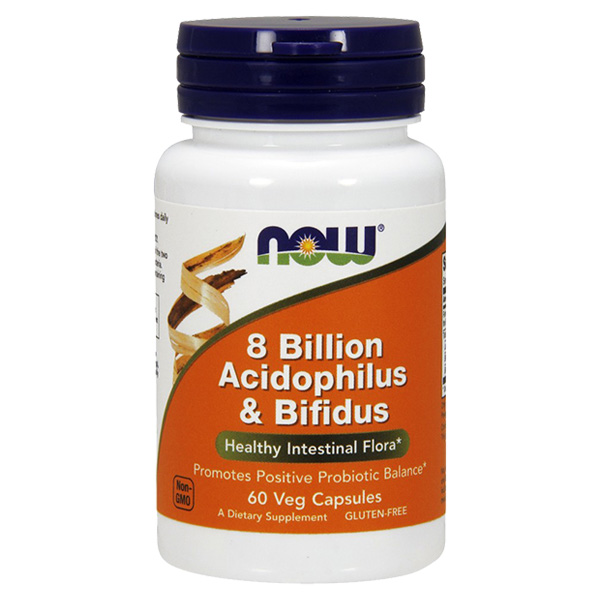
NOW FOODS ACIDOPHILUS
Latest Findings
- A recent study showed that eating yogurt containing live acidophilus greatly reduced the recurrence of vaginal yeast infections. The women in the study ate 8 ounces of yogurt every day for six months. Researchers theorize that additional acidophilus bacteria grow in the vaginal canal, bolstering the normal Lactobacilli flora but leaving no room for the growth of yeast.
- When used in a recent study of patients undergoing cancer radiation treatments, acidophilus prevented the diarrhea that is a typical side effect of this therapy. Patients drank a fermented milk product containing live acidophilus bacteria daily.